
Midloaded
Looking for a Midloaded USSSA Slowpitch Softball bat that delivers serious pop? Look no further! We stock an enormous selection of the most sought-after USSSA Certified, midloaded slow pitch bats from the industry's leading brands, and each one is available with our ProMAX Heat Roll/Break-In Process with Progressive Pressure, giving you game-ready performance right out of the box. With the weight shifted slightly toward the barrel's sweet spot, midloaded models offer a great blend of power and swing speed. Here at LongballBats.com, we've been serving players since 2016 as the Bat Performance Experts, and our knowledgeable staff brings more than 100 years of combined experience on the diamond to every order. Questions? Reach out by email or give us a ring at 336-618-7487 - we'd be glad to help you find the perfect bat!
Welcome to LongballBats.com: If EVERY at-bat matters to you, you're at the right place!
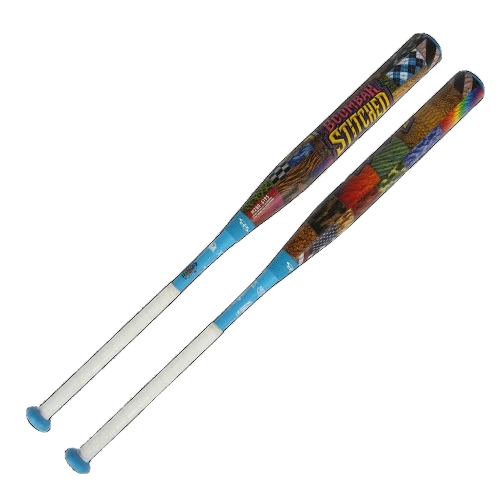
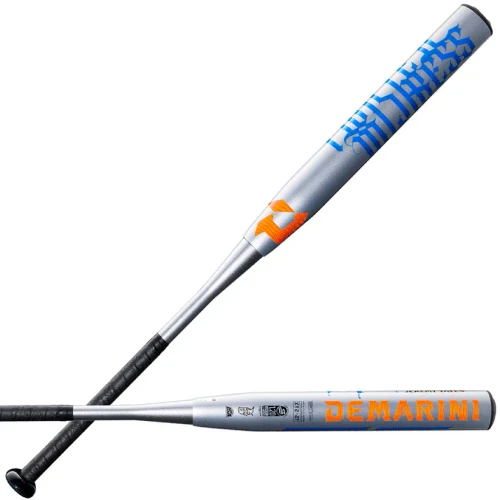
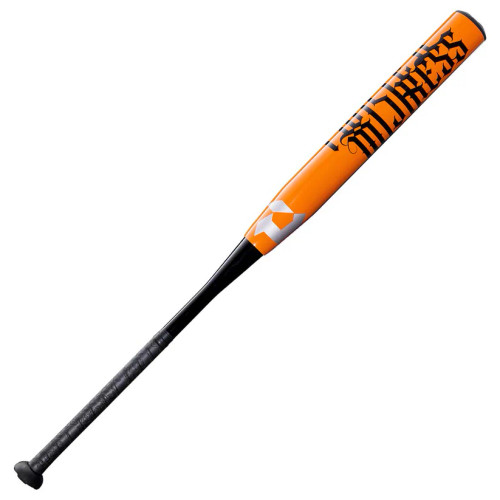
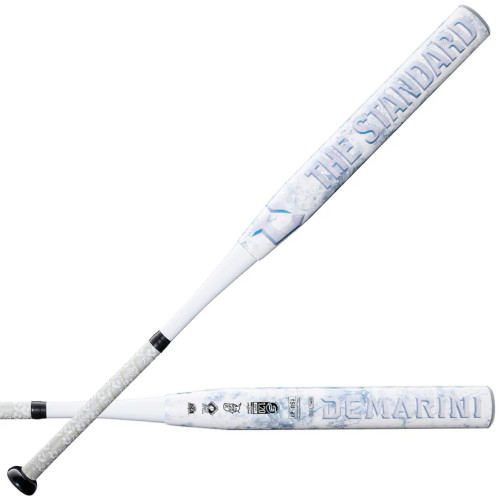
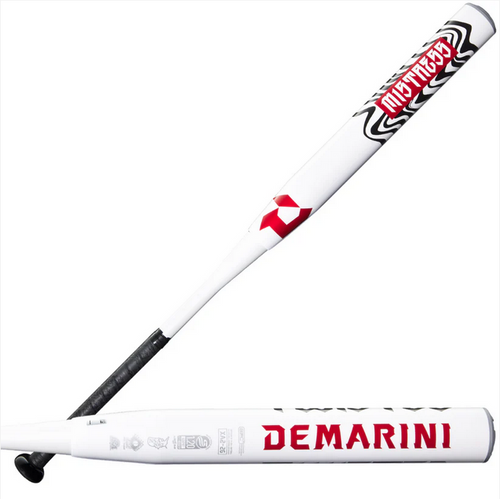

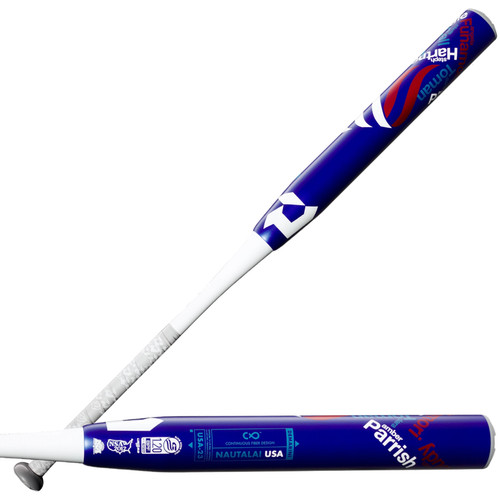
Midloaded USSSA Slowpitch Bats: Three Myths Keeping You From the Perfect Swing Weight
Midloaded bats are the middle children of slowpitch softball. Balanced bats have their loyal contact hitters and endloads have the home run crowd, but the midload gets talked past, misunderstood and wrongly skipped by hitters it would fit perfectly. Time to fix that! Here are the three myths we hear about midloaded USSSA bats at the fitting desk, and the truth behind each one.
Myth 1: "A Midload Is Just a Compromise Bat"
The knock on midloads is that they're for players who can't make up their minds. The truth is closer to the opposite. A midloaded bat carries a deliberate design: weight shifted partway toward the end cap, giving you meaningfully more mass through the hitting zone than a balanced bat while keeping the swing quicker and more controllable than a true endload. That's not indecision, that's engineering. For a huge share of slowpitch hitters, the gap-to-gap player who occasionally leaves the yard, a midload isn't the compromise. It's the correct answer, and the other two options are the compromises.
Myth 2: "Real Power Hitters Only Swing Endloads"
Plenty of legitimate power comes off midloaded barrels every weekend. Remember what actually produces distance: barrel speed multiplied by barrel mass at contact. A strong hitter who swings a midload faster than he'd swing an endload can produce more exit velocity, not less. Endloads belong to the biggest, strongest hitters who can move maximum weight without losing speed. If a full endload makes your swing feel long or your timing drift late in games, a midload will put more balls over the fence, not fewer. The bat should serve your swing, never the other way around.
Myth 3: "Swing Weight Doesn't Matter That Much Anyway"
Ask anyone who's switched. Swing weight shapes your timing, your bat path, your fatigue over a long tournament Sunday, and your confidence with two strikes. In USSSA play especially, where 1.20 BPF and 240 stamped bats are engineered to perform against the 12 inch Classic M ball at .40 COR and 325 compression, the difference between the right and wrong swing weight shows up in real distance and real hard-hit rate. Matching load to hitter is the single most important choice you'll make after certification, which is exactly why we spend so much time on it.
So Who Actually Belongs in a Midload?
Gap hitters who live in the alleys. Number three and four hitters who spray doubles and take what the pitcher gives. Strong hitters whose endload experiments left them late on everything. All-around players who refuse to give up control for power or power for control. If you saw yourself anywhere in that list, you're a midload hitter.
The Midload Shelf at LongballBats.com
We'll be straight with you the way we always are: midloads are a specialized category, and we carry the two brands doing them best right now, DeMarini and Monsta. Both build brand new, fully certified USSSA midloaded slowpitch bats that we stand behind completely. If you've been searching for the best midloaded USSSA slowpitch bat or the best slowpitch bat for gap hitters, those two names are where the search ends.
And you're not picking between them alone. Since 2016, with more than 100 years of combined baseball and softball experience on staff, we've fit thousands of hitters into their ideal swing weight. Tell us how you hit and what you swing now, and we'll tell you whether DeMarini or Monsta's midload fits your game better, with an honest reason why.
Shop our midloaded USSSA slowpitch bats today. The middle child is about to become your favorite.