
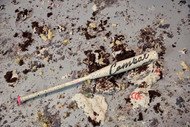
PICTURE: Combat MFG and the Two-Piece Question: Why the BBCOR World Is Watching
Posted by The Experts at LongballBats.com on Apr 27th 2026
==================
Update 05/26/2026: The 2026 COMBAT MFG Spec H1 Hybrid COOKIES & CREAM BBCOR Baseball Bat, Two Piece, -3 Drop, CBB6H1CC3 is almost available!
==================
If you've spent any time in the high school and/or college baseball bat world over the last couple of years, you already know that COMBAT MFG has been one of the most exciting brands to watch. They burst back onto the scene with a bold identity, limited-edition drops that sell out in minutes, and a one-piece alloy platform — the SPEC-A1 — that has genuinely turned heads at every level of high school and college baseball. The sound alone has become a calling card. That unmistakable thwack when you pure one off the barrel? Yeah, there's nothing else like it in the BBCOR space.
But here's the thing: as much as Combat has dominated the one-piece alloy conversation, there's a massive segment of the BBCOR market they haven't touched yet — the two-piece bat.
And in the bat industry, when a brand as hungry and innovative as Combat MFG hasn't entered a category yet, you don't ask if they will. You start asking when.
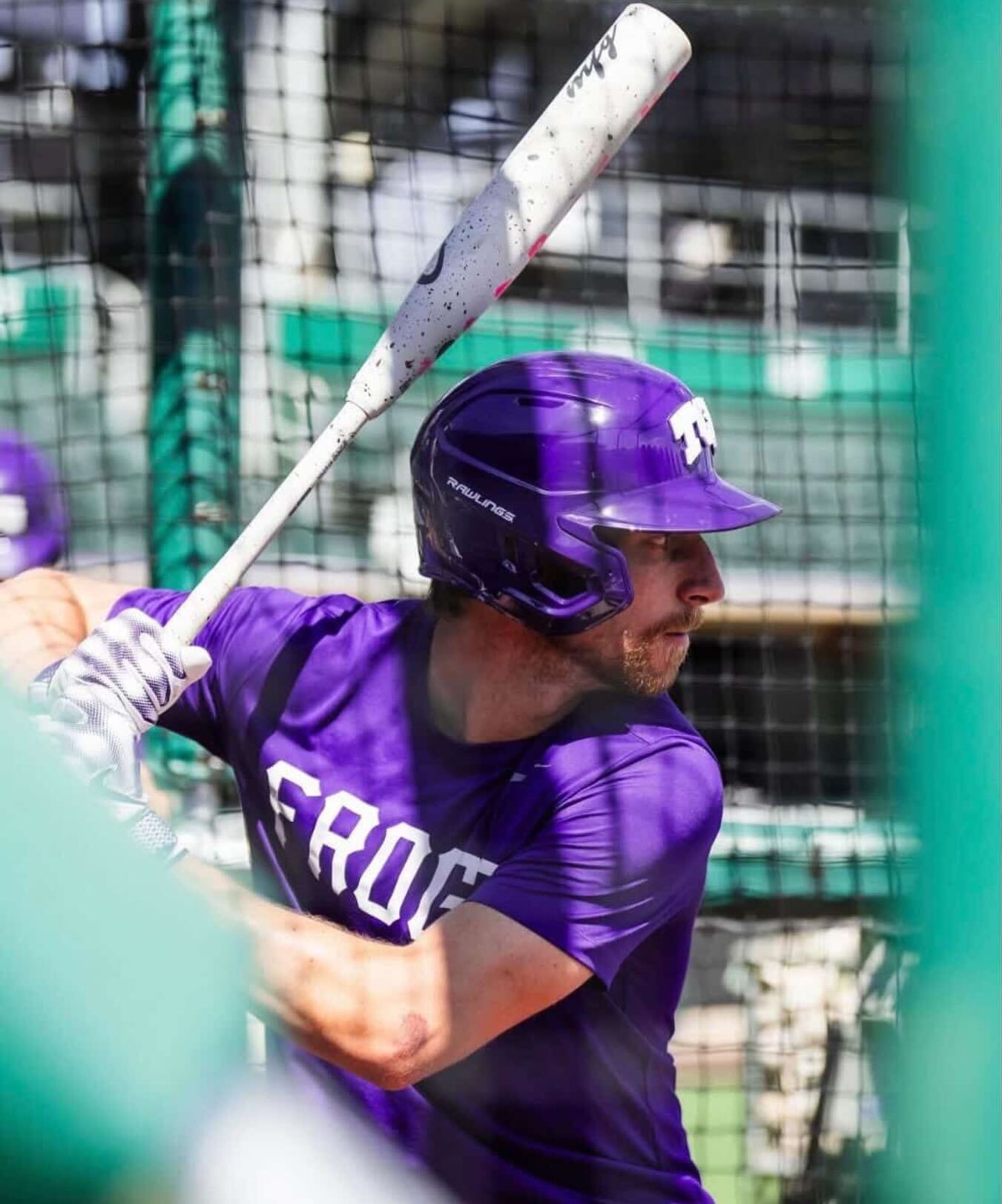
Combat's BBCOR Identity So Far: The One-Piece King
To understand why a Combat 2pc BBCOR bat would be such a big deal, you first have to understand what they've built with the SPEC-A1.
Every single BBCOR bat Combat MFG currently sells is a one-piece alloy construction. That's not a limitation — it's been a deliberate brand statement. Their SFX (Smash Factor eXtended) Barrel Technology is engineered specifically to push one-piece alloy performance further than most people thought possible. The barrel is longer than any other one-piece alloy on the BBCOR market. The sweet spot is bigger. And the flex and forgiveness on off-center contact — the thing that usually separates one-piece bats from two-piece bats — has been engineered to close that gap dramatically.
In fact, Combat's own marketing has leaned right into this: the SPEC-A1 delivers a "stiff, one-piece feel with forgiveness like a two-piece."
That's a huge claim. And based on the feedback from players who've swung them, it's not just marketing copy. But here's the key word in that sentence: like. It plays like a two-piece. It isn't one. And for a growing group of high school and college hitters, that distinction matters a lot.
So Why Would Combat Build a Two-Piece BBCOR Bat?
Great question. And it comes down to two things: market demand, and the nature of the players who are being left on the table.
The BBCOR two-piece bat market is dominated right now by names like the DeMarini Voodoo, the Louisville Slugger Select PWR, and the Rawlings ICON. These bats serve a very specific type of hitter — one who needs something that a one-piece bat, no matter how well-engineered, simply cannot fully replicate.
For Combat to cement themselves as a complete BBCOR brand — not just a cult one-piece option — they need a two-piece. And everything about how they've operated tells us they're not going to sit still forever. They release bat after bat at a pace that most brands can't keep up with. The Cookie Jar drops, the Outdoor series, the Performance drops — Combat is always in motion. A two-piece BBCOR entry feels less like a question of whether and more like a question of how bold will it be when it arrives.
==============================
Here at LongballBats, we're the bat performance experts and we LOVE performing our ProMAX Heat Roll/Break-In Process with Progressive Pressure on the Combat SPEC A1 bats. We can't wait to get our hands on the two piece when it is released!
We'll have it in stock the moment it drops. Contact us today to get on our launch list!
==============================
One-Piece vs. Two-Piece: What's the Real Difference?
Before we dive into who should be waiting for a Combat two-piece, let's make sure we're all on the same page about the fundamental difference between these two construction types — because it matters more than most people realize.
A one-piece bat is exactly what it sounds like: the barrel and the handle are one continuous piece of material. In Combat's case, that's all alloy — a single forged unit. Because there's no connection point between the barrel and the handle, energy transfer on contact is direct and immediate. The feedback is sharp. The sound is loud. When you hit a ball well, you know it. When you don't, you feel it.
A two-piece bat is built with the barrel and the handle manufactured separately, then joined together — either with an alloy barrel and composite handle (a hybrid), two composite pieces, or other material combinations. That connection point is everything. It acts as a shock absorber. On mishits — the ones where the ball catches the end of the barrel or jams you inside — the two-piece design absorbs much of that vibration before it reaches your hands. For certain hitters, that's a game-changer.
Two-piece bats also tend to offer more flex in the handle during the swing, which can translate to a whippier feel at contact and, in many cases, slightly improved exit velocities on well-struck balls.
Who Is the Two-Piece Bat Built For?
This is where things get really interesting, and it's where we earn our keep with expert bat recommendations. The choice between a one-piece and a two-piece isn't just about preference — it's about matching the bat to the hitter's game. Here's a breakdown of the player profiles that should be watching a potential Combat two-piece release very closely.
The Contact Hitter Who Hates Hand Sting. If you're the guy who goes to the plate with a plan, works counts, and puts the ball in play, you're probably not barreling every single pitch. Contact hitters, by definition, make more off-center contact. And hand sting on a one-piece alloy bat on a cold morning, on a jammed pitch, on an end-cap shot — it accumulates. A two-piece construction, with its vibration-dampening connection, makes those at-bats a lot less brutal on your hands.
The Hitter Who Struggles in Cold Weather. Cold weather is one of the biggest enemies of the alloy one-piece bat. In temperatures below 60°F, alloy bats get stiffer and that vibration on mishits gets dramatically worse. A two-piece construction — especially a hybrid with a composite handle — insulates your hands from that feedback in a way that makes cold-weather games much more manageable.
The Hitter with a Gap-to-Gap Swing. Players who drive the ball to all fields and rely on bat speed rather than raw power often prefer the feel of a two-piece. The additional flex in the handle during the swing can enhance that whip-like feeling through the zone, helping gap hitters maximize their exit velocity without needing a power hitter's raw strength.
==================
Update 05/26/2026: The 2026 COMBAT MFG Spec H1 Hybrid COOKIES & CREAM BBCOR Baseball Bat, Two Piece, -3 Drop, CBB6H1CC3 is almost available!
==================
The Player Who Has Only Ever Swung One-Piece and Is Curious. Let's be real — a lot of high school players swing whatever their coach recommends or whatever is on the shelf. If you've been in the one-piece world your whole career and you've never felt what a quality two-piece does on a jam shot, you might be missing something. A Combat two-piece would be a perfect entry point for players who trust the brand but want to explore the other side of the construction debate.
What Would a Combat Two-Piece BBCOR Look Like?
We know Combat. We've stocked their bats since they hit the market, and we've watched how they approach product development. A Combat two-piece BBCOR isn't going to be a quiet, understated release. That's not how they operate.
Here's what we'd expect based on everything we know about the brand's DNA:
It will almost certainly be a hybrid construction — an alloy barrel paired with a composite handle. This is the most proven two-piece BBCOR formula in the market, and it would allow Combat to bring their SFX barrel engineering to the two-piece world while adding a premium composite handle that maximizes vibration dampening and swing flex.
The aesthetics will be loud. Combat doesn't do boring. Their limited-edition drops have built a culture around exclusivity, bold colorways, and individual bat identities. Expect the same with a two-piece release — probably a numbered drop with its own themed identity, just like the Rodeo, Baja, and Country Club series before it.
The price point will likely be premium. Two-piece construction adds cost, and Combat doesn't position themselves as a budget brand. Current SPEC-A1s retail at $349.99. A two-piece flagship could push that ceiling — and given the demand they generate for their drops, it would still sell out.
And perhaps most importantly: if Combat builds a two-piece BBCOR the way they built the SPEC-A1 — with obsessive attention to what separates a good bat from a great one — it will be worth the wait.
Don't Miss the Drop
Here at LongballBats, we've been in the bat game long enough to know that when a brand like Combat makes a product pivot, it becomes a moment in the industry. The release of a Combat MFG two-piece BBCOR bat won't just be a new SKU on a shelf — it will be a statement that they're coming for the entire BBCOR market, not just the one-piece corner of it.
We'll have full details, pricing, and an update for our launch list the moment Combat makes the official announcement. Until then, if you're a player trying to figure out whether a one-piece or two-piece bat is right for your game, reach out to our team. We've swung them all, sold them all, and helped thousands of players find the right stick. That's what we do.
Stay locked in. The Combat two-piece is coming — and we'll be ready.
==============================
Here at LongballBats, we're the bat performance experts and we LOVE performing our ProMAX Heat Roll/Break-In Process with Progressive Pressure on the Combat SPEC A1 bats. We can't wait to get our hands on the two piece when it is released!
We'll have it in stock the moment it drops. Contact us today to get on our launch list!
==============================